
Southern Europe
Study in Malta
Our services in Malta
What would you like to do in Malta?
 🇲🇹 Malta
Master's in Malta
Profile review, university shortlist, applications, tests and student visa.
Explore 🇲🇹 Malta
Bachelor's in Malta
Eligibility after Class 12, foundation options, applications and visa.
Explore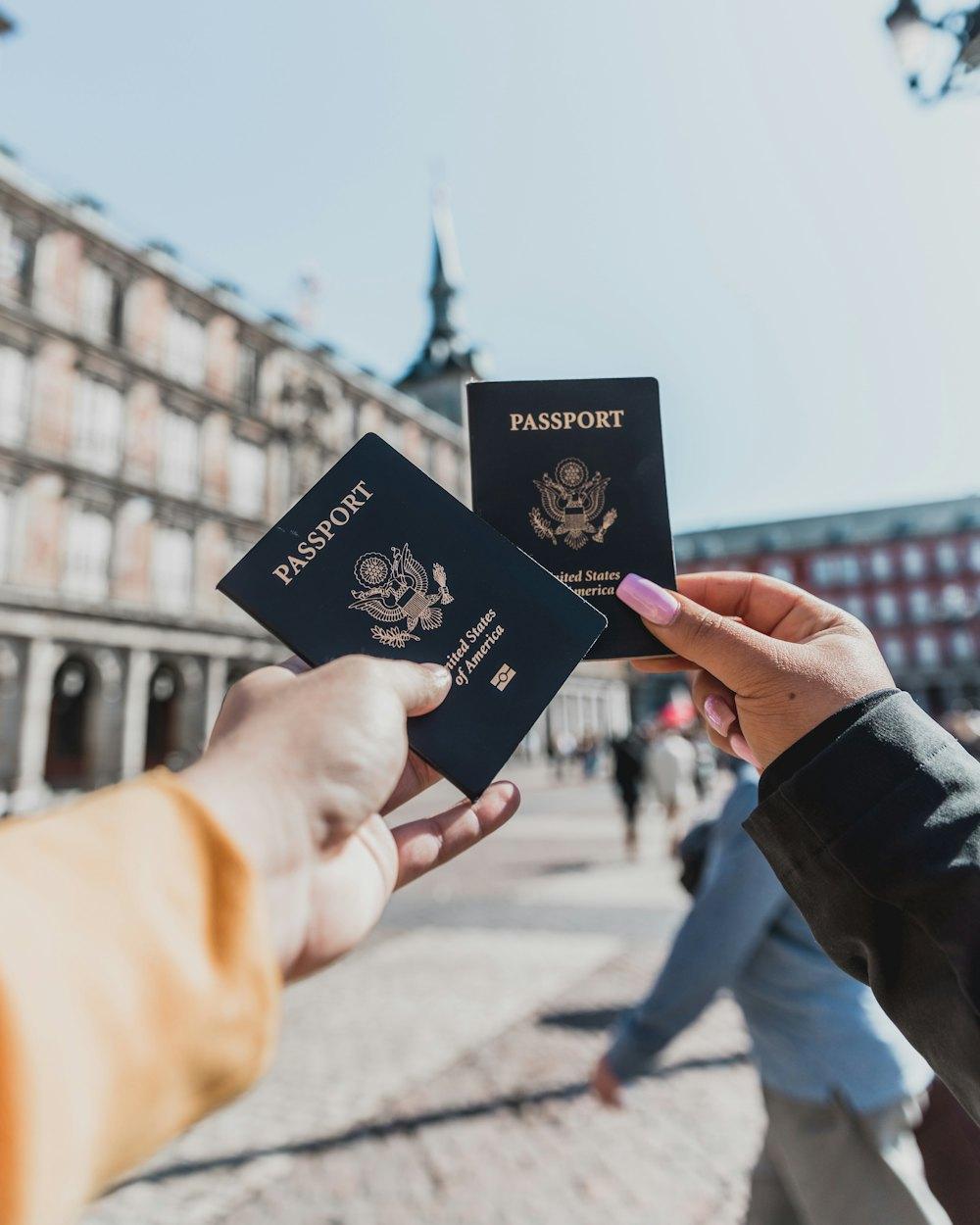 🇲🇹 Malta
Student visa for Malta
Documents, proof of funds, application and appointment guidance.
ExploreWhy study in Malta?
- English is an official language
- EU member state
- Mediterranean climate
- Growing iGaming and fintech
Popular subjects
- Business
- Tourism & hospitality
- Computer science
- Finance
Study options in Malta
Master's degrees
One- or two-year Master's programmes. Programmes are mostly taught in English.
Bachelor's degrees
Usually 3–4 years. Entry requirements after Class 12 differ by country and university — we check your eligibility.
Language & foundation courses
Preparatory, foundation or language courses can help you meet entry requirements.
Vocational & professional routes
Diplomas and professional programmes in selected fields — ask us what fits your profile.
Admission requirements
Exact requirements depend on the university and programme. Typically you will need:
- Academic transcripts and degree / Class 12 certificates
- English test score (IELTS, TOEFL, PTE or Duolingo where accepted)
- Statement of purpose (SOP) and CV
- Letters of recommendation (for many Master's programmes)
- Valid passport
- Entrance tests or portfolio for selected programmes
How it works with us
- 1
Tell us your goals
Share your preferred country, field of study and academic profile.
- 2
Choose your intake
We review application timelines and suitable programmes with you.
- 3
Apply with guidance
Get help with university selection, applications and key documents.
- 4
Prepare to travel
Receive APS and visa guidance, plus arrival support.
Student visa for Malta
Indian students usually need a national long-stay visa (D visa) and/or residence permit for study to study in Malta. Malta is part of the Schengen area, so a valid residence permit also makes short trips to other Schengen countries easier.
- University admission letter
- Proof of sufficient funds
- Health insurance
- Proof of accommodation (where required)
- Academic and language certificates
- Passport and visa application form
Requirements, fees and proof-of-funds amounts change — always check the EU Immigration Portal (European Commission). Visa decisions are made solely by the authorities.
Full Malta visa guideCosts, work and career
Tuition
Fees vary by institution and programme.
Living costs
Depend mainly on the city — capitals and big cities cost more. We prepare a monthly budget with you.
Work & career
Part-time work is usually allowed within legal limits, and post-study routes exist in many countries. We explain the current rules.
Scholarships for Malta
In Malta, most funding comes from individual universities — tuition waivers and merit awards. Europe-wide schemes are also open to you:
All scholarships by countryHow EUGANGLOBAL helps you study in Malta
- Free counselling and profile review
- University and programme shortlist in Malta
- Application documents, SOP and CV guidance
- Application submission and tracking
- Scholarship guidance
- Student visa guidance for Malta
- Accommodation and pre-departure guidance
- Arrival and settling-in support
Questions about studying in Malta
Can Indian students study in Malta in English?
Programmes are mostly taught in English. We check the language requirements of every programme on your shortlist.
How much does it cost to study in Malta?
Fees vary by institution and programme. Living costs depend on the city. We give you a personalised cost estimate during counselling and point you to the official figures for proof of funds.
Can I work while studying in Malta?
International students in Malta can usually work part-time within limits set by law. Rules differ by country and change over time, so we explain the current rules for your situation.
Do you help with the Malta student visa?
Yes. We guide you through the documents, the application and the appointment for the national long-stay visa (D visa) and/or residence permit for study. Visa decisions are made solely by the authorities of Malta.
Which intake should I choose for Malta?
Most programmes in Malta start in autumn (September/October); some also offer a spring intake (January–March). Deadlines are often 6–9 months earlier, so start planning early.
Official links
These are independent official websites. EUGANGLOBAL is not affiliated with them.
Talk to a counsellor
Start your Malta journey
Tell us your goals and we will reply within 24 working hours with a clear plan: programmes, intake, documents and costs.